
Lower Back Pain Treatment in Toronto
Lower Back Pain?
Lower back pain is more than discomfort. It changes how long you can sit at your desk, how you pick up groceries, and how much you enjoy simple things like walking in your neighbourhood or playing with your kids.
At Sovereign Female in Toronto, we see lower back pain as both a medical issue and a quality-of-life issue. Our focus is on women’s health, hormones, pelvic floor function, and body support. Fotona StarFormer is one of the tools we use to address back pain by strengthening deep-stabilizing muscles and supporting the spine, without surgery or strong painkillers for lower back pain.
What Is Lower Back Pain?
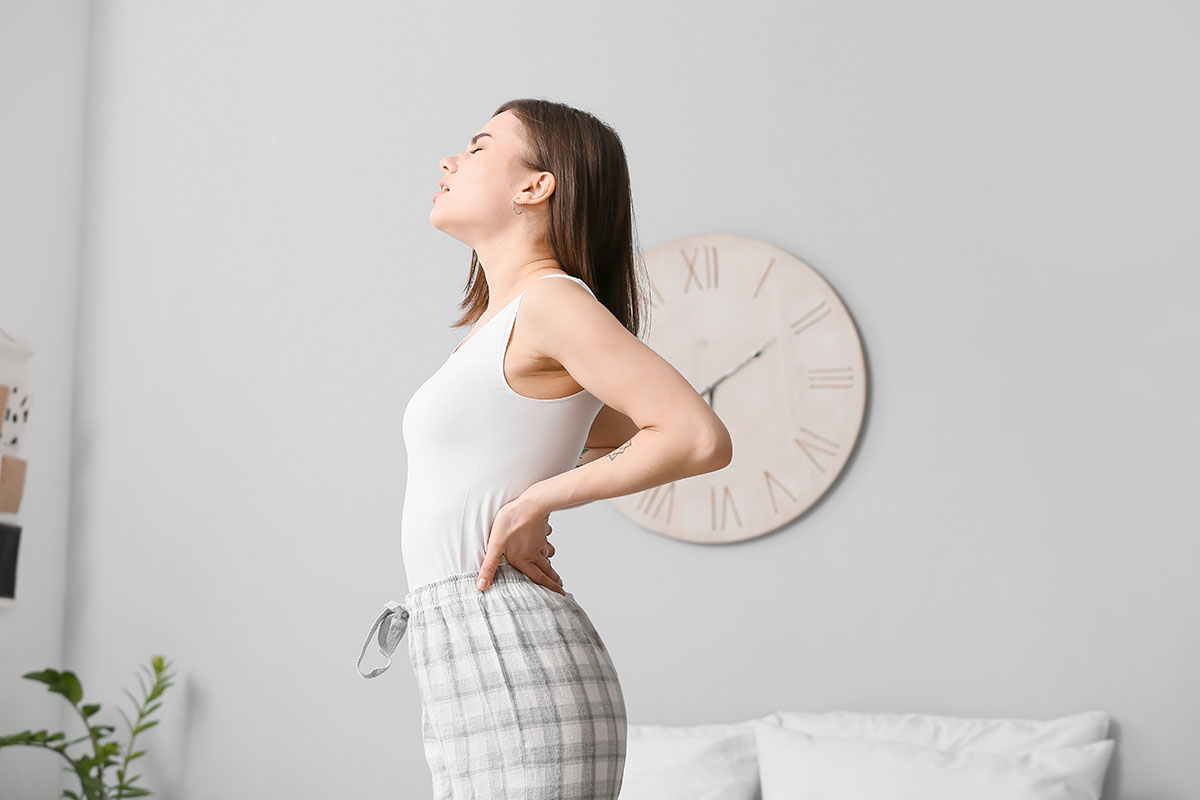
Lower back pain refers to discomfort in the lumbar region, which extends from the bottom of the ribcage to the top of the buttocks. It may stay in the lower back or radiate into the hips, buttocks, or legs.
Most people will experience at least one episode of lower back pain in their lifetime. For some people, pain becomes chronic, lasting for 3 months or longer and flaring up with certain activities.
Common Symptoms of Lower Back Pain
Lower back pain often feels different from one person to another. Symptoms may:
- develop suddenly after lifting, bending, or twisting
- feel sharp, dull, burning, or achy
- increase gradually with no clear trigger
- stay in the lumbar region or radiate into the buttocks or legs
- feel worse during certain movements like bending forward or twisting
- increase when sitting or standing still for a long time
- improve with walking, changing positions, or lying down

What Causes Lower Back Pain in Females?
Muscle Strain and Ligament Sprains
Muscle strain and ligament sprains are a frequent cause of acute back pain. Lifting something heavy, twisting quickly, or even a strong sneeze can overload tissues that are already tight or deconditioned. Small tears in muscle or ligament fibres trigger inflammation and protective spasms. The result is sudden pain and stiffness.
Disc and Joint Irritation
The intervertebral discs act as cushions between the vertebrae, and the small facet joints guide movement. With age and repeated loading, discs can lose height or bulge slightly. Sometimes they press on nearby nerves and trigger leg pain or sciatica.
Structural and Nerve-Related Causes
Less commonly, structural changes such as spinal stenosis (narrowing of the spinal canal), scoliosis, or a vertebra slipping forward (spondylolisthesis) contribute to chronic lower back pain. These conditions may compress nerve roots, causing leg pain, numbness, or weakness with walking or standing.
Tumours, infections, or fractures make up a small percentage of cases but are important to rule out when red flags are present.
Hormones, Menopause, and Back Pain
Many women experience lower back pain around perimenopause and menopause. Shifts in estrogen and progesterone affect muscle mass, connective tissue, and weight distribution around the body. If pelvic floor muscles are weak at the same time, the deep support system of the body is under more strain, and low back ache becomes more common.
Menstrual cramps, pregnancy-related changes, and “back labour” can all create temporary lower back pain as well.
Risk Factors for Low Back Pain
Some factors make back pain more likely to appear or linger, and most patients fall under several categories at once:
- Age over 30
- Sedentary lifestyle
- Physically demanding job
- Weak core, gluteal, and pelvic floor muscles
- High body weight that causes an extra load on the spine
- Smoking and heavy alcohol intake
- Poor sleep and high stress levels
- Depression or anxiety, which can heighten pain sensitivity
How Is Lower Back Pain Diagnosed?
In most cases, chronic lower back pain is assessed by a primary care provider or a clinician with musculoskeletal training.
A typical assessment may include:
- a detailed history of your pain pattern, previous injuries, medical conditions, and medications
- questions about bladder or bowel function, fevers, night pain, and weight loss, to rule out serious causes
- physical examination of movement, strength, reflexes, sensation, and posture
- X-rays or an MRI if a serious pathology is suspected
At Sovereign Female, we encourage patients with new, severe, or unexplained back pain to see their primary care provider first. Once the cause is identified, we can assess whether Fotona StarFormer is a suitable option.
Doctor-Supervised Options for Back Pain Relief
Depending on the cause, duration, and severity of your back pain, your physician may discuss the following:
- Over-the-counter or prescription anti-inflammatory medication
- Short courses of muscle relaxants for acute spasms
- Targeted injections, such as epidural steroid injections or facet joint injections
- Radiofrequency ablation for certain nerve-mediated pain patterns
- Surgical options in cases of significant structural problems, nerve compression, or instability
Find Lower Back Pain Relief with Fotona StarFormer in Toronto
If you are searching online for “lower back pain treatment Toronto,” you will find many options, from standard physiotherapy to hospital-based pain clinics and surgical centres. These services are important and often necessary.
Fotona StarFormer will not be the right tool for every type of back pain, and we are honest about that. For the right candidates, however, it can be a practical way to strengthen back and pelvic muscles, relieve persistent muscle soreness, and support the rest of your back pain therapy plan. Book a consultation today to learn if StarFormer is appropriate for you.
Toronto Back Pain Therapy with Fotona StarFormer
What Is Fotona Starformer?
Fotona StarFormer is a non-invasive device that uses High-Intensity Tesla Magnetic Stimulation (HITS) to activate muscles and peripheral nerves. The technology was first developed for body sculpting and pelvic floor strengthening, but it can also be used to stimulate back muscles and relieve soreness in the lower back.
At Sovereign Female, we use StarFormer protocols to:
- strengthen deep core and back muscles that support the lumbar spine
- stimulate the pelvic floor to improve overall trunk stability
- provide temporary pain relief for sore or strained back muscles
How Does Fotona StarFormer Help Lower Back Pain?
Fotona StarFormer is a high-intensity magnetic stimulation system. During treatment, electromagnetic coils in the applicators or chair generate magnetic pulses that pass through clothing and skin into the underlying tissues. These pulses induce currents in the motor nerves and cause the targeted muscles to contract repeatedly, without voluntary effort.
Over a series of sessions, this can:
- increase local muscle strength and endurance
- improve recruitment of deep stabilizing muscles that are hard to access voluntarily
- support posture and reduce fatigue in the lumbar region
- enhance local blood flow
The same platform can also be used in a TENS-style mode to stimulate peripheral nerves in the back for temporary relief of chronic, post-traumatic, or post-surgical pain.
Sessions usually last around 20 to 30 minutes. Most patients describe the sensation as strong tapping or pulling in the muscle, with intensity gradually adjusted as they adapt.
What to Expect After Fotona StarFormer
Many women search for “Fotona StarFormer before and after,” hoping to see dramatic visual changes. With back pain, the more meaningful before and after is how your body feels and functions:
- how long you can sit, stand, or walk before pain builds
- how often you wake at night from back ache
- how confident you feel lifting, carrying, or exercising
Some people notice easier movement and less muscle tightness after the first few sessions, while others may need more time to see results.
Who is Not a Good Candidate?
Fotona StarFormer is not suitable for everyone. You may be advised to avoid or postpone treatment if you:
- are pregnant
- have a pacemaker or other implanted electronic device
- have large metal implants in the treatment region
- have active cancer, spinal infection, or an unstable fracture
- have uncontrolled cardiac arrhythmia or severe vascular disease
Supporting Your Lower Back Pain Treatment at Home
StarFormer is only one component of effective back pain management. The rest is built into your everyday habits.
Physical Therapy and Lower Back Pain Exercises
Exercise is one of the most consistently supported approaches for chronic lower back pain treatment. A physiotherapist may recommend:
- gentle core-strengthening exercises
- glute- and hip-strengthening exercises to reduce the load on the lumbar spine
- gradually increasing the degree of bending or twisting
Lower Back Stretches for Pain Relief
Lower back stretches can be helpful when back pain is linked to muscle tightness or prolonged sitting. Simple, commonly tolerated movements include:
- gentle knee-to-chest or figure-four positions on your back
- cat-cow style spinal mobility on hands and knees
- soft hip flexor and hamstring stretches
Stress and Chronic Pain
Chronic back pain is not “all in your head,” but the nervous system does play a major role in how pain is processed. Long-term stress, poor sleep, and mood changes can heighten pain sensitivity and make flare-ups more frequent. Cognitive behavioural therapy and gentle exercises can often make chronic low back pain more manageable.
Diet, Weight, and Inflammation
Some dietary patterns are linked with higher levels of systemic inflammation, which may make ongoing pain conditions harder to manage. Diets high in processed foods, refined sugars, and trans fats tend to fall into this category. Plus, maintaining a weight that is healthy for you can reduce pressure on the spine and joints over time.
For many women, small, sustainable adjustments are more realistic than extreme diets:
- Increasing the intake of fibre, fruits, and vegetables
- Consuming enough protein to maintain muscle mass
- Moderating alcohol intake
Lifestyle Habits that Actually Make a Difference
Helpful changes for lower back ache pain relief often include:
- breaking up long sitting periods with standing or walking
- choosing supportive footwear for long days on your feet
- using a small cushion or rolled towel on the low back when driving
- spacing heavy tasks throughout the week instead of doing everything in one day
- building up daily walking time gradually
Alternative Treatments
Many women choose to complement their back pain management plan with alternative treatments such as:
- massage therapy
- acupuncture
- osteopathic or chiropractic manipulation
- supervised exercise classes
Lower Back Pain Treatment: Frequently Asked Questions (FAQs)
What is the best way to fix lower back pain?
How long does it take for a strained back to heal?
Is it better to walk or lie down with back pain?
How to relieve lower back pain while pregnant
Can a UTI cause back pain?
How can I treat menopause back pain?
Treatment of menopause back pain is usually multi-layered:
- Hormone replacement therapy or bioidentical hormones when appropriate
- Targeted strengthening for the core, hips, and pelvic floor
- Gentle mobility work for the spine and hips
- Weight-bearing exercise for bone health
- Non-invasive muscle stimulation, such as Fotona StarFormer, to support back and pelvic stability
At Sovereign Female, we frequently combine lower back pain therapy with broader menopause care so that your spine support, hormones, and pelvic health are addressed together.
How do you cure lower back pain completely?
There is no universal cure for lower back pain. For many women, the goal is to move from constant, intrusive pain to manageable, occasional discomfort. That usually involves a blend of:
- exercise therapy
- education and realistic lifestyle changes
- strategies for flare-up management
- adjunct treatments such as StarFormer, massage, or medication when indicated
When should I worry about lower back pain?
Contact a healthcare provider urgently or go to emergency care if lower back pain is associated with:
- new leg weakness or difficulty walking
- loss of bladder or bowel control
- numbness in the groin or inner thighs
- fever or feeling generally very unwell
- sudden severe pain after a fall or accident
You should also seek prompt assessment if you have a history of cancer, unexplained weight loss, or night pain that does not ease with movement.
