
Menopause, Dry Skin, and How to Deal with Collagen Loss
Sovereign Female Blog | Menopause

Menopause skin changes tend to show up faster than most women expect, and menopause dry skin is usually the first one that they notice — followed closely by visible skin laxity.
This guide covers what’s happening under the surface, what helps at home, where collagen supplements fit, and the in-clinic options that we use at Sovereign Female in Toronto to firm skin once laxity sets in.
Quick Answer
Yes. Falling estrogen dries skin out and speeds up collagen loss, especially in the first 5 years after menopause. A barrier-repair routine eases dryness, while hormone therapy and in-clinic treatments like HIFU, ZAFFIRO, and Hot Sculpting rebuild firmness.
Does Menopause Cause Skin Changes?
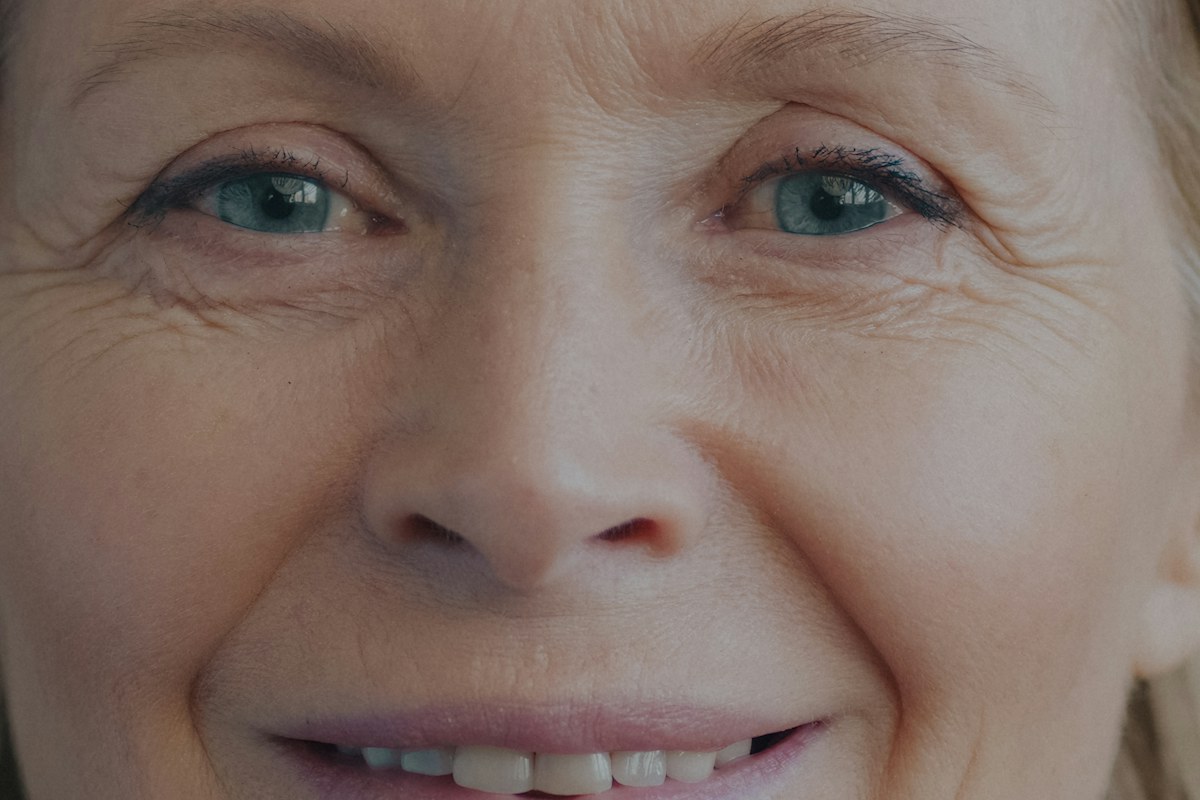
Yes. Skin has estrogen receptors throughout its layers, so when estrogen drops, skin responds.
If you’re wondering, “Does your skin change during menopause, or is it just age?”, the answer is both, but menopause speeds things up. Skin changes during menopause cluster in the years right around your final period rather than spreading evenly across your 50s.
Why Menopause and Skin Dryness Go Together
Estrogen raises hyaluronic acid levels in the dermis and helps the outer layer of skin hold water. Hyaluronic acid is the skin’s built-in reservoir for moisture. With less of it, skin loses water faster and feels tight within an hour of washing.
Oil production also slows. The skin barrier depends on a thin layer of lipids to seal moisture in, and when sebum output drops, that seal gets patchy. This is why menopause and dry skin often come with new sensitivity: products that never stung before suddenly do, because irritants pass through a weaker barrier more easily.
Menopause and Collagen Loss
Collagen is the protein that gives skin its thickness and spring. Estrogen helps fibroblasts (the cells that make collagen) stay active, so the drop in estrogen has a direct effect. Most of skin collagen is lost in the first 5 years after menopause. That early drop is the reason why skin laxity can seem to appear almost overnight. Thinner skin with less structural support folds more easily, recovers more slowly when pressed, and starts to sag along the jaw, under the chin, and on the neck. You may also notice crepey skin on your upper arms or chest. That comes from elastin, the protein that lets skin snap back, breaking down at the same time as collagen.
Other Post-Menopausal Skin Changes
Dryness and laxity aren’t the only postmenopausal skin problems:
Pigmentation
Hormone shifts can bring on perimenopause skin spots and patchy melasma, especially on the cheeks, forehead, and upper lip.
Breakouts
As estrogen levels decrease, the relative effect of androgens increases. Some women get adult acne along the chin and jaw as a result.
Itch and rashes
Dry, thin skin is more reactive. Itchy patches and eczema flares tend to peak in Toronto winters, when indoor heating dries out the air.
Dry legs and body
Menopause dry skin on the legs is often worse than on the face, because the shins have fewer oil glands to begin with.
Intimate dryness
The same estrogen drop affects vaginal and vulvar tissue. This is a separate condition called genitourinary syndrome of menopause, and it’s very treatable.
Facial Skin Changes During Menopause: What to Expect
The face doesn’t change evenly. Menopause and facial skin changes show up first where skin is the thinnest or where fat and bone do the most structural work:
Around the eyes
Eyelid skin is the thinnest on the body, so the upper lids can start to hood, and under-eye hollows deepen as the fat pads beneath them shrink.
Lips
They get thinner, and fine vertical lines start to show above the upper lip.
Mid-face
The fat pads under the cheeks shrink and drop lower over time. Cheeks look flatter as a result, and the lines from nose to mouth get deeper.
Underlying bone
Facial bone thins after menopause, so the structure that skin and fat drape over gets smaller.
Redness
Repeated hot flashes dilate facial blood vessels, and some women notice persistent flushing or rosacea flare-ups for the first time.
This is why a “menopause face” looks different from sun damage alone. Much of the change is in volume and support underneath the skin, not only in surface texture.
How to Manage Menopause Dry Skin at Home
Creams and cleansers can’t replace lost collagen. They can, however, take the edge off dryness and make your skin feel a lot better.
What to Look for in a Lotion or Cream
The best lotion for menopausal dry skin is a formula built around barrier repair. Look for:
Label Checklist
- ✓Ceramides and cholesterol. These replace the lipids that your skin is producing less of.
- ✓Humectants. Glycerin and hyaluronic acid pull water into the outer layer. Apply them to damp skin so that they have water to hold on to.
- ✓Occlusives at night. Petrolatum, squalane, or shea butter sit on top of the skin and keep moisture from escaping overnight.
- ✓Niacinamide. A barrier-strengthening ingredient that even sensitive skin usually handles well.
- ✓Fragrance-free formulas. Thinner skin reacts more easily, and fragrance is a frequent culprit.
For menopause dry skin on the face, a cream usually works better than a gel or lotion, which contains more water and less oil. A menopause dry skin cream for the body can be thicker still. Retinoids are worth adding once dryness is under control, because they support collagen production, but start low and use them every few nights at first.
Habits that Make Dryness Worse
Long, hot showers strip lipids faster than anything else. Keep them short and warm, pat dry, and moisturize within a few minutes. Foaming cleansers strip oil that your skin can’t easily replace now, so switch to a cream or oil formula. Skip scrubs altogether. Run a humidifier in the bedroom from November to March. Daily sunscreen use is a non-negotiable, since UV exposure breaks down the collagen that you still have.
Collagen and Menopause: Do Supplements Help?
Myth
Collagen powders travel to your face and rebuild lost firmness.
Fact
Swallowed collagen is digested into amino acids like any other protein. Hormone therapy and energy-based treatments stimulate collagen in the skin itself.
Collagen for menopause is a popular supplement, but independent research hasn’t shown that it makes a measurable difference to skin. Once swallowed, it’s broken down into amino acids like any other protein. It doesn’t travel to your face intact. And it can’t make up for the estrogen your skin relies on to make collagen in the first place.
Supplements aren’t harmful, and they can help women who don’t get enough protein. If sagging is the concern, a supplement won’t fix it. Hormone therapy and energy-based treatments stimulate new collagen in the skin itself, which is a more direct route.
Hormone Therapy and Your Skin
Low estrogen is behind most skin changes after menopause, so bringing levels back up can help several of them at once. Wrinkling and skin elasticity measurably improve with estrogen replacement, and hydration tends to improve along with it.
Skin alone isn’t usually the reason to start hormone replacement therapy (HRT), but it’s a welcome side benefit for women who are already considering HRT for hot flashes, sleep, or mood. We offer both conventional HRT and bioidentical hormones, and the right choice depends on your health history and goals.
In-Clinic Treatments to Fix Menopause Skin
Creams work on the surface, but sagging comes from below it. Energy-based treatments work by heating the deeper layers of skin in a controlled way. That heat contracts existing collagen fibres for some immediate tightening and triggers fibroblasts to build new collagen over the following months.
| Treatment | How It Works | Best For | Downtime |
|---|---|---|---|
| Hot Sculpting | Fotona laser heat | Loose skin and stubborn fat on the abdomen, arms, and thighs | None |
| ZAFFIRO | Water peel plus infrared heat | Dry skin that is starting to lose firmness on the face and neck | None |
| HIFU | Focused ultrasound at set depths | Jowls, under the chin, and the neck | Mild redness for about a day |
| Renuvion | Radiofrequency plus helium plasma under the skin | Moderate laxity on the neck, chin, abdomen, and arms | Minimally invasive; through our partner clinic |
Hot Sculpting
Hot Sculpting (known as TightSculpting in the US) uses Fotona laser energy to warm tissue below the surface. It targets two things at once: loose skin and stubborn fat pockets. That makes it a good fit for the abdomen, upper arms, and thighs, where menopausal laxity often comes with a shift in where the body stores fat. There are no needles, no anaesthetic, and no downtime.
ZAFFIRO
ZAFFIRO pairs 2 steps in 1 session. A water-peeling phase hydrates and exfoliates the surface, which helps with dullness and dryness right away. An infrared phase then heats the deeper layers to stimulate collagen. The manufacturer reports a 25% increase in skin firmness 3 weeks after a single session. It’s comfortable, takes under an hour, and suits women whose skin is both dry and is starting to lose firmness on the face and neck.
HIFU
HIFU (high-intensity focused ultrasound) goes deeper than laser or light treatments can. It focuses ultrasound energy at set depths under the skin, as deep as the muscle layer that a surgeon tightens during a facelift. The skin’s surface isn’t affected. That makes it well suited to the jowls, the area under the chin, and the neck, where menopausal laxity is often the most visible. Some lift shows right away, but the full effect builds over about 3 months as new collagen forms. Expect mild redness or swelling for a day or so, with no real downtime.
Renuvion
For moderate laxity that’s beyond what surface treatments can lift, Renuvion is available through our partner clinic. It’s a minimally invasive procedure: a thin probe is placed under the skin through a small entry point and delivers radiofrequency energy combined with helium plasma. The helium keeps the skin surface cool while the tissue underneath contracts. It’s often used on the neck, under the chin, the abdomen, and the arms, and the results continue to improve for several months as new collagen forms.
Book a Consultation in Toronto
Some women struggle mostly with dryness, while others notice sagging first. The right treatment plan starts with figuring out which one is bothering you the most. At our menopause clinic in Toronto, we look at your skin and your hormone picture together, so treatments work with what’s happening internally rather than around it.
Book your consultation to talk through your options. You can’t stop menopause skin changes, but you can do a lot about how they look and feel.
Frequently Asked Questions
What helps dry skin during menopause?
A fragrance-free cream with ceramides and a humectant, applied to damp skin, does most of the work. Shorter, cooler showers and a gentle cleanser help the cream do its job. If a good routine still isn’t enough, hormone therapy can help by replacing some of the estrogen that your skin has lost.
What vitamin am I lacking if my skin is dry?
Dry skin is usually hormonal or environmental rather than nutritional, but low levels of vitamin A, biotin, vitamin C, and vitamin D are the deficiencies most often tied to skin problems, including dryness. A simple blood test can check vitamin D, which many Canadians run low on in the winter. If you are deficient, we can discuss options like IV vitamin therapy.
Does dryness from menopause go away?
Not on its own for most women. Because estrogen stays low after menopause, the dryness tends to stay too. A consistent routine keeps it in check, and hormone therapy can make a noticeable difference.
Does dry skin mean low estrogen?
It can, especially if it appears in your 40s or 50s alongside irregular periods, hot flashes, or sleep changes. But dry skin also has other causes, including thyroid problems, certain medications, and harsh products. A hormone assessment is necessary to confirm whether low estrogen is behind the dry skin.
What does a low estrogen face look like?
Most women notice that their skin feels thinner and drier first. Over time, the cheeks lose some fullness, and the jawline and neck start to look less defined. Skin may also look dull and may bruise more easily.
Should a 50-year-old woman take collagen?
If you like it and it helps you meet your protein needs, there’s no harm. Just keep expectations realistic. At 50, sunscreen, a retinoid, a good moisturizer, and a conversation about hormones will do more for your skin than any supplement.
Sovereign Female
Book a Consultation
Talk to our team about menopause symptoms and treatment at our downtown Toronto clinic at 59 Hayden Street.
or call (647) 343-0801

Medical Team
Sovereign Female
Articles on the Sovereign Female blog are written and medically reviewed by licensed health professionals with hands-on clinical experience in menopause care, hormone therapy, and women’s health treatments. Our team follows current medical guidelines and evidence-based practices to give readers accurate, trustworthy information for making informed decisions about their care.
