
Treatment for Menopause & Perimenopause Symptoms in Toronto
Real treatment for hot flashes, sleep, mood, and vaginal and bladder changes, from perimenopause through post menopause.
A Toronto Menopause Clinic for Every Stage
Menopause is a medical transition, and the symptoms that come with it deserve real treatment rather than a shrug or a suggestion to wait it out. At Sovereign Female, our downtown Toronto menopause clinic helps women through perimenopause, menopause, and the years after, with care that covers both hormones and the vaginal and bladder changes that many women don’t mention to their family doctor.
Many of our patients arrive after being told that their bloodwork is “normal” or that night sweats and brain fog are just part of getting older. Some of that is true — but much of it is treatable.
Perimenopause and Menopause: Knowing Which Stage You’re In
The stage that you’re in shapes which treatments make sense, so it helps to understand the medical terms.
Perimenopause Age and Early Signs
Perimenopause is the run-up to your final period. During this stage — which can last from 2 to 10 years — the levels of hormones like estrogen and progesterone rise and fall unpredictably rather than declining in a straight line.
In Canada, most women notice first perimenopause symptoms somewhere between the ages of 40 and 50, with an average start around age 45. The first signs are often subtle: cycles get shorter or heavier, sleep becomes lighter, and premenstrual syndrome (PMS) feels worse than it did at 30. It is not uncommon to experience anxiety without an obvious cause. Because periods are still happening, many women don’t connect these changes to hormones.
Some women notice changes as early as their late 30s. Perimenopause at 35 is less common, but symptoms that appear before 40 should be checked by a doctor, since they can point to early or premature menopause and carry different long-term health considerations.

Menopause and Post Menopause
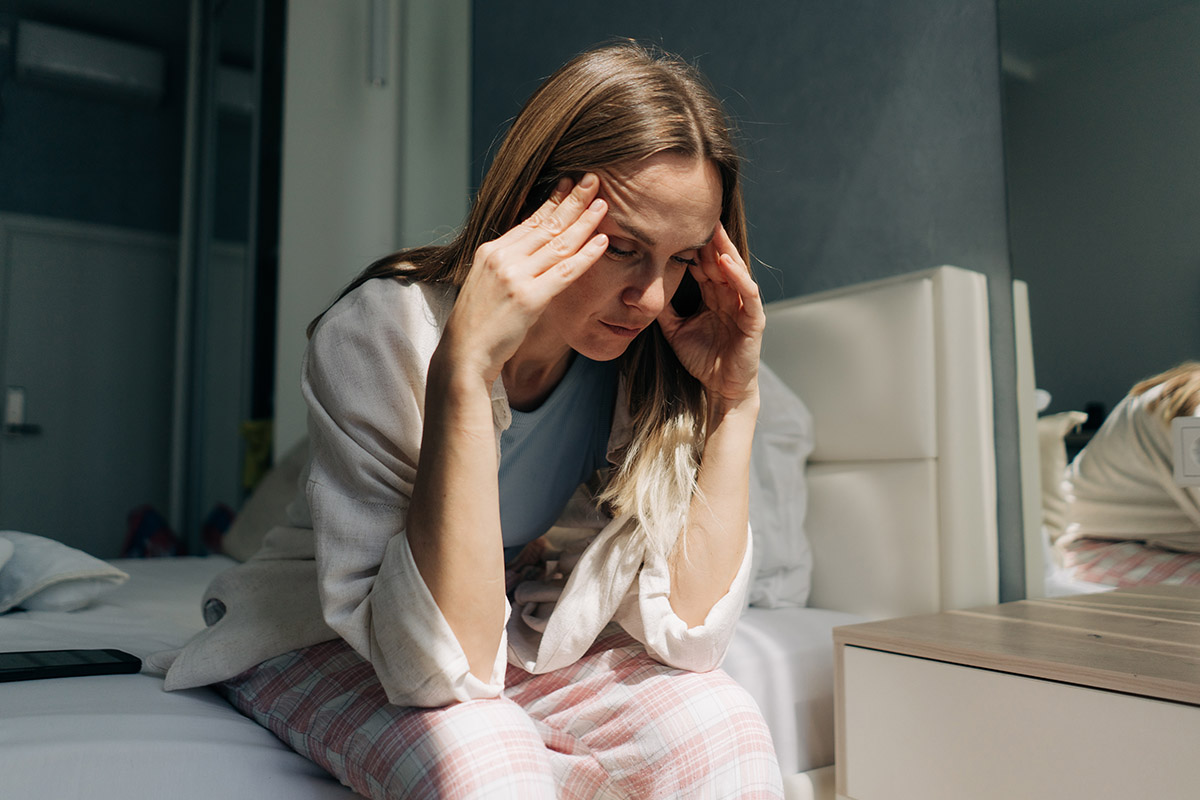
Menopause is a single point in time, defined as 12 months in a row without a period. The average age of menopause in Canada is 51, and it typically happens between ages 45 and 55. Everything after that point is post menopause.
Hot flashes often settle with time in post menopause, but changes linked to low estrogen, such as vaginal dryness, bladder symptoms, and bone loss, tend to continue or progress if left untreated.
Common Menopause and Perimenopause Symptoms
You may have seen lists of “34 symptoms of menopause” or even “100 symptoms of perimenopause.” The longer lists stretch the definition, but the range of symptoms is genuinely wide. Estrogen receptors are found throughout the body, including the brain, skin, bladder, joints, and vaginal tissue, so falling estrogen can show up in places you wouldn’t expect.
The symptoms that we see the most often fall into a few groups:
- Vasomotor symptoms. Hot flashes and night sweats are the best known. Hot flashes affect up to 80% of women in the menopause transition, and, according to the long-running SWAN study, they last a median of 7.4 years.
- Sleep, mood, and thinking. Insomnia, waking at 3 a.m., irritability, low mood, new anxiety, trouble finding words, and poor concentration.
- Vaginal, sexual, and urinary changes. Dryness, burning, pain with sex, lower libido, recurrent urinary tract infections (UTIs), urgency, and leaking when you cough or exercise.
- Physical changes. Joint aches, weight gain around the waist, thinning hair, dry skin, heart palpitations, and headaches.
- Cycle changes. Irregular, heavier, or closer-together periods during perimenopause.
At What Stage Is Menopause the Worst?
For many women, late perimenopause and the first year or two after the final period are the hardest. Estrogen swings are at their widest, so hot flashes, sleep disruption, and mood symptoms often peak here. What most women call “horrible perimenopause symptoms” usually comes from this window.
Genitourinary symptoms follow a different pattern. They tend to start later and get worse over time instead of fading, which is why a woman in her 60s may be more troubled by dryness and bladder issues than she was at 50.
Toronto Menopause Treatment Options at Sovereign Female
There’s no single best treatment for menopause symptoms. The right plan depends on which symptoms bother you the most, your stage, your health history, and how you feel about hormones. Our physicians, nurses, and pelvic health providers work together, so one visit can address hot flashes and bladder leakage at the same time instead of sending you to separate offices.
Hormone Replacement Therapy
Hormone replacement therapy (HRT) replaces the estrogen that your body is no longer making, usually alongside progesterone if you still have a uterus. It remains the most effective treatment for hot flashes and night sweats and helps protect bone density.
HRT comes in several forms, including patches, gels, creams, pills, injections, and vaginal suppositories. Low-dose vaginal estrogen on its own is a good option for women whose main concern is dryness or discomfort.
Bioidentical Hormones
Bioidentical hormones are chemically identical to the hormones that your ovaries produce. We prescribe standardized bioidentical estradiol and micronized progesterone, and compounded formulations when a patient needs a dose or form that isn’t available commercially. Dosing starts low and is adjusted based on how you respond. Bioidentical hormones aren’t risk-free, and we monitor patients on them the same way we would anyone on HRT.
In-Clinic Care for Vaginal, Bladder, and Energy Changes
Treatment for Vaginal Atrophy and Genitourinary Syndrome of Menopause
Low estrogen thins and dries vaginal and urinary tissue, a condition called genitourinary syndrome of menopause (GSM). It is very common after menopause and is unlikely to improve on its own.
Alongside local hormone therapy, we offer vaginal atrophy treatment with IntimaLase, a Fotona Er:YAG laser that uses gentle heat to stimulate collagen and improve blood flow in the vaginal wall. Treatment is usually 1 to 3 sessions about 5 weeks apart, each under 30 minutes, with no downtime. It’s a useful option for women who can’t or prefer not to use estrogen.
Bladder Leakage and Pelvic Floor Support
Leaking when you laugh, sneeze, or run often starts or worsens around menopause as pelvic tissue loses strength. Our urinary incontinence treatment includes IncontiLase, a quick in-office laser procedure for stress urinary incontinence.
We also offer pelvic floor physiotherapy with a registered physiotherapist, plus Fotona StarFormer, which uses magnetic stimulation to contract the pelvic floor muscles while you sit fully clothed. Women with heaviness or bulging can be assessed for vaginal prolapse treatment.
Vaginal Laxity and Rejuvenation
Childbirth and declining estrogen can both leave the vaginal canal feeling looser, which can affect sensation and comfort during sex. Non-surgical vaginal rejuvenation and vaginal laxity treatment use laser energy to tighten tissue. For structural concerns, we also offer surgical vaginal rejuvenation.
Support for Menopause Fatigue and Low Energy
Perimenopause fatigue usually has more than one cause. Poor sleep from night sweats is a big one, but low iron from heavy periods, thyroid changes, and low B12 can add to it. We’ll look at those possibilities before treating. Women over 40 and women who are vegetarian or take acid-reducing medication are more likely to run low on B12, and vitamin B12 injections can correct this deficiency faster than pills. Some patients also use IV drip therapy for hydration and nutrient support. These work best alongside treatment of the underlying hormonal symptoms.
Non-Hormonal Treatments for Menopause Symptoms
Hormones aren’t suitable for everyone, including some women with a history of breast cancer, blood clots, or stroke. Other women simply prefer to avoid them. Non-hormonal options include the following:
- Prescription medications that reduce hot flashes, including certain antidepressants, gabapentin, and newer non-hormonal drugs that target the brain’s temperature centre
- IntimaLase and IncontiLase laser treatments for vaginal and bladder symptoms
- Pelvic floor physiotherapy and StarFormer sessions
- Vaginal moisturizers and lubricants
- Cognitive behavioural therapy for insomnia and hot flash distress
We’ll go through what fits your health history and what you can expect from each.
Treatment for Post Menopause Symptoms at Age 60 and Beyond
Women in their 60s often assume that they’ve missed the window for treatment. That’s rarely the case. Starting systemic HRT after 60 calls for a more careful risk review, but low-dose vaginal estrogen is considered safe for most women at any age. Laser treatment for dryness and leakage, pelvic floor physiotherapy, and StarFormer also have no upper age limit. Many of our older patients come in for bladder and vaginal symptoms that they’ve lived with for a decade.
What to Expect at Our Toronto Menopause Clinic
Your first appointment is a no-obligation consultation. We’ll talk through your symptoms, cycle history, medications, and personal and family medical history, and discuss which tests make sense. If an exam is needed for vaginal or pelvic floor concerns, it’s done in a private treatment suite.
From there, you’ll get a treatment plan that may combine hormone therapy with in-office treatments. We follow up to adjust doses and track how you’re feeling, since needs often shift over the first few months.
If perimenopause or menopause symptoms are affecting your sleep or your work, you don’t need to wait until they become unbearable.
Book a Menopause Consultation in Toronto
Book a consultation with our team or call (647)343-0801 to talk about treatment for menopause that fits your health history and your stage of life. Our clinic is at 59 Hayden Street in downtown Toronto.
Frequently Asked Questions
What is the best treatment for perimenopause and menopause symptoms?
It depends on your main symptoms. For hot flashes and the sleep problems that come with them, hormone therapy is the most effective option. Vaginal and bladder symptoms respond well to local estrogen or laser treatment.
Natural remedies for perimenopause, including popular herbal supplements, have weaker and less consistent evidence, and some interact with medications, so mention them to your doctor.
How do I help myself through perimenopause?
Track your cycle and symptoms for a couple of months to spot patterns more easily. Protect your sleep, keep alcohol and caffeine moderate since both can trigger hot flashes, and stay active with a mix of strength training and cardio. Bring your notes to your doctor so that treatment can target what’s actually bothering you.
What foods should I eat during perimenopause?
Focus on protein at each meal to help preserve muscle, plus calcium-rich foods and vitamin D for bone health. Fibre from vegetables, legumes, and whole grains supports heart health and steadier blood sugar. Some women find that spicy food, alcohol, and hot drinks set off hot flashes.
What lifestyle changes are recommended after menopause?
In post menopause, bone and heart health become a bigger priority. Weight-bearing exercises, enough calcium and vitamin D, and regular blood pressure and cholesterol checks all help, as does cutting back on alcohol. Pelvic floor exercises are worth adding to your regular regimen as well.

Pure
Quality – Aesthetics – Professionalism
If you would like to further learn about what this incredible team of beauty advisors and medical professionals can offer you, please contact Sovereign Female today to start your journey towards the very best that Canada has to offer!
